News & Updates
Get updates on the festival, Commitment Grants, dispatches from Mountainfilm on Tour, commentaries on current issues and general announcements
 September 14, 2026 Mountainfilm Announces its 2026 Emerging Filmmaker Fellow Caroline Locke
 September 14, 2026 Mountainfilm Announces 2026 Commitment Grant Recipients
 May 26, 2026 Mountainfilm 2026 Festival Awards Announcement
 May 12, 2026 Authors, Artists, Community Events and Everything in Between at Mountainfilm 2026
 April 30, 2026 Mountainfilm Announces Extraordinary Roster of 2026 Films
 April 23, 2026 Announcing the 2026 Feature Film Premieres and a Preview of What’s Ahead
 April 8, 2026 Mountainfilm Reveals its 2026 Minds Moving Mountains Speaker Series Lineup
 March 12, 2026 Mountainfilm Announces Partnership with Firelight Media’s HOMEGROWN Series for the 2026 Festival
 January 26, 2026 Mountainfilm's 2026 Winter Fundraiser: Adventure Shorts
 December 1, 2025 Mountainfilm Names Cristina “Mitty” Mittermeier as Guest Director for Its 48th Annual Festival
 September 17, 2025 Announcing Mountainfilm's 2025 Emerging Filmmaker Fellow: Elif Koyutürk Hazen
 September 9, 2025 Mountainfilm Spotlights Global Stories with 2025 Commitment Grants
 July 22, 2025 Mountainfilm Launches "After The Fest" Summer Fundraiser
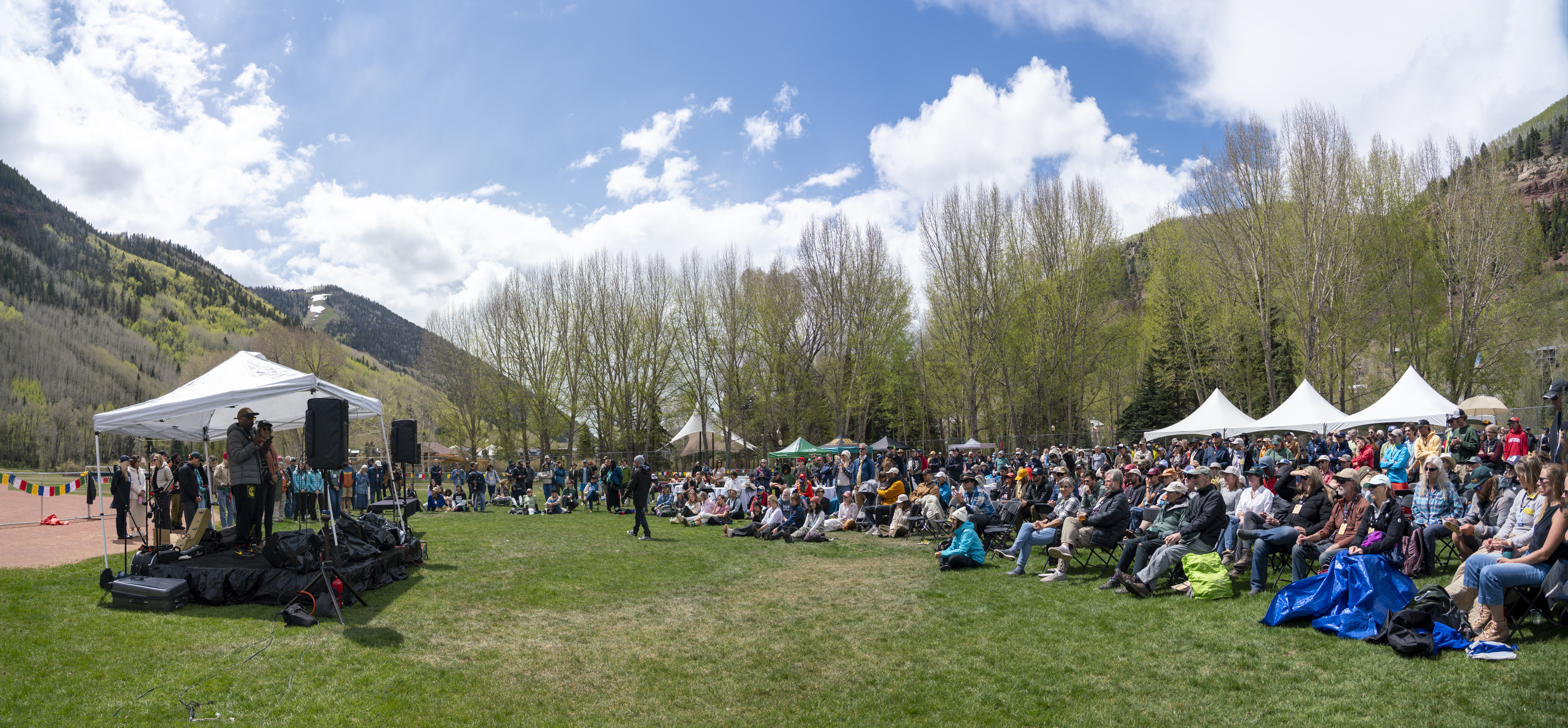 May 31, 2025 Mountainfilm 2025 Festival Awards Announcement
 May 20, 2025 More Than Films: Your Quick Guide to Artists, Authors and More at Mountainfilm